Purpose over Paycheck: Fostering Motivation and Wellbeing in Advocacy Organizations
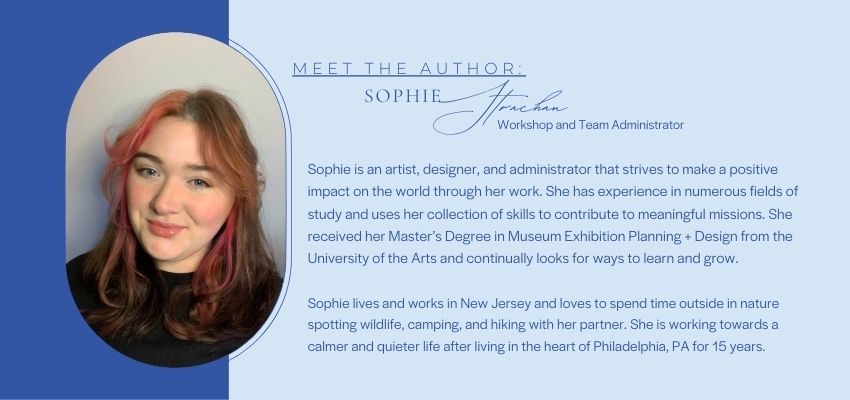
Sophie Strachan, September 14, 2026
When paychecks are low and job demands are high, how do you motivate your team to keep going? There are certain things that we can’t control within advocacy organizations. Clients will always need help; budgets will be tight, and the nature of anti-violence advocacy work will always be emotionally taxing.
But here’s the important question:
What is within our control?
Prolonged exposure to heavy workloads and emotional exhaustion, with little to no support or payoff, can lead to staff burnout, high turnover rates, and low morale. And while we may not be able to change every external factor affecting our organizations, we can make intentional choices about how we support the people doing this work.
As a leader, supervisor, manager, or even a coworker, what is within your control to create a supportive, human-centered workplace?
Before we get into suggestions, let’s take a look at what generally motivates people to complete tasks in their personal and professional lives:
External Motivators
External motivators come from outside of us. They can include:
- Reward systems: A paycheck, a prize, a compliment, recognition, etc.
- Evaluations: Performance reviews, productivity statistics, meeting expectations, etc.
- Opinions of others: Feedback, belonging, interpersonal relationships, etc.
Internal Motivators
Internal motivators come from within us. They can include:
- Interests: Personal preferences, professional goals, education, positive emotions, etc.
- Values: Meaning, purpose, and our “why.”
- Curiosity: Challenges, learning new skills, experimenting, and exploring.
Dig deeper into the power of purpose... Listen to our podcast about “Our Why?”
Most of us are motivated by a combination of these things. We need to make a living. We want to feel appreciated. We want to know that our work matters. We want opportunities to learn and grow. And, especially in advocacy, we often bring a deep sense of purpose to the work we do.
But what happens when the paycheck can’t increase, the workload can’t immediately decrease, and the work itself is emotionally heavy?
That’s where organizations have an opportunity to look beyond traditional rewards and ask a different question: What do people need to stay motivated and well?
Self-Determination Theory offers us one way to answer that question.
What is Self-Determination Theory?
Self-Determination Theory (SDT) revolves around the intersection of the extrinsic forces on a person, like workplace environment, relationships, and pay, and the intrinsic motives or needs that come with being human, like mental wellbeing, freedom, and joy. Rather than focusing only on short-term goals, effective orgs seek organizational health, client satisfaction, and long-term sustainability by uplifting staff's well-being and cultivating motivation.
Employees feel and perform better when their motivation is independent because they find it enjoyable, interesting, or valuable. Rather than when they are controlled or externally motivated. But here’s the important part: internal motivation may come from the individual, but the environment around that individual can either nurture it or undermine it.
SDT posits that leaders can uplift their employees by supporting three areas: Autonomy, Competence, and Relatedness.

Autonomy
Autonomy is an individual’s ability to choose how to start, maintain, and regulate work tasks within the agreed-upon boundaries of their role and responsibilities. This means participation and involvement in work is accompanied by desire, will, and choice. They are doing the work because they want to, not just because they’ll be paid.
Autonomy means having some sense of choice and ownership in how we do our work. It doesn’t mean everyone gets to do whatever they want, whenever they want. Organizations still need expectations, boundaries, policies, and accountability. It means that within those boundaries, people have a voice.
To support staff autonomy:
- Actively consider each staff member’s point of view before making decisions or offering feedback. This shows respect for their experiences and helps create a supportive environment where everyone feels heard.
- Clearly explain the reasons behind decisions, requests, or changes in processes. When staff understand the purpose behind their tasks, they are more likely to feel engaged and motivated.
- Communicate with staff using language that is informative and encouraging, rather than demanding or controlling. This approach reduces stress and supports a sense of autonomy.
- Openly acknowledge when situations are difficult or emotions are running high. Validating feelings—both positive and negative—helps staff feel supported and understood.
- Show patience as staff adjust to new processes, learn skills, or navigate challenges. Allowing time for growth and understanding builds trust and confidence within the team.
Sometimes autonomy looks like something big, such as giving someone ownership over a project. Sometimes it's as small as asking, “How do you think we should approach this?” instead of immediately telling someone how to do it.
Those small moments of choice can make a meaningful difference.
Competence
Competence shows up when staff have the opportunity to problem solve and develop their skills. They have the space to use their talents and skills in performing tasks, and to pursue and master challenges with support. This is about failing, learning, and growing. Nobody walks into a new role already knowing everything but if we want people to develop their skills, we have to give them room to learn. Read more about Fail, Learn, and Grow here.
To support staff competence:
- Design the workplace environment and processes to recognize the unique strengths, needs, and learning styles of each staff member. This could mean flexible scheduling, personalized professional development plans, or adapting workflows to better support individuals’ growth. A truly supportive workplace ensures that everyone feels valued and set up for success.
- Leaders should clearly communicate expectations for roles and tasks, offer guidance without micromanaging, and provide constructive feedback that helps staff improve. Emphasize a culture where mistakes are seen as learning opportunities, not failures. Encouraging experimentation and risk-taking helps staff build their skills and confidence.
- Facilitate opportunities for staff to share expertise, mentor one another, and solve problems together. Peer support strengthens competence and builds team cohesion.
- Provide access to training and learning opportunities: Ensure staff can attend workshops, conferences, and courses (in person or virtually) to expand their knowledge and skill set.
Competence isn’t just about becoming “better” employees. There’s something powerful about being able to look at your work and think, “I know how to do this. I’m getting better at this. I have something valuable to contribute.”
Relatedness
Relatedness is about the bonds we build with the people around us and the sense of connection and belonging that comes from those relationships. In the workplace, that means staff feel comfortable with one another and with leadership. They know they can ask for help, share an idea, admit when something is difficult, and simply be human at work. Open, transparent, and supportive communication helps create valuable connections and reminds people that they are part of something bigger than their individual role.
To support staff relatedness:
- Create intentional opportunities for staff to build connections, such as team-building exercises, regular check-ins, or informal gatherings. Positive interpersonal interactions help staff feel valued and foster a sense of belonging within the organization.
- Cultivate a culture of social support by encouraging teamwork, collaboration, and cooperation on projects. Ensure staff know they can rely on one another for assistance with tasks and problem-solving, which promotes trust and shared purpose.
- Demonstrate genuine care by being attentive to staff well-being, checking in regularly, and responding to concerns. Be proactive in recognizing signs of stress or disengagement and offer resources or support when needed. Showing awareness of the social environment builds trust and psychological safety.
- Celebrate personal and professional milestones: Acknowledge staff birthdays, work anniversaries, and significant achievements. Recognizing these moments fosters a sense of appreciation and community.
- Encourage open communication and feedback: Create safe spaces for staff to share ideas, concerns, and feedback without fear of judgment. Actively listen and respond thoughtfully to promote mutual respect and inclusion.
Relatedness doesn’t require everyone at work to be best friends. It is about creating a workplace where people feel connected enough to know they’re part of the team, their contributions are valued, and they don’t have to navigate difficult work in isolation.
That sense of connection matters, especially in advocacy. When the work is emotionally demanding, knowing there are people who will listen, collaborate, offer support, or simply understand can make the work feel more sustainable.

Purpose Is Powerful. Support Makes It Sustainable.
Advocacy work asks a lot of the people who do it. The work can be meaningful and rewarding, AND it can also be emotionally demanding. Creating workplace cultures that foster motivation and wellbeing is both challenging… and a necessity. While we cannot change every external factor that contributes to those challenges, we can be intentional about how we support the people facing them.
So, the question for leadership isn’t whether challenges exist. It’s: how can we create workplaces that genuinely support the people navigating them.
Autonomy, competence, and relatedness give us a practical framework for doing that. When staff have a voice in their work, opportunities to grow and use their strengths, and meaningful connections with the people around them, they are more likely to feel motivated, capable, and connected to the work they do.
And those things don’t happen by accident. They are shaped by everyday leadership choices. People who feel valued, heard, capable, and connected, are better positioned to bring resilience, creativity, and commitment to their work. The greatest resource in any organization is its people—when they feel empowered, everyone benefits… including the community they serve.
We may not always be able to change the realities of advocacy work. But we can change how people experience doing that work. Creating a sustainable workplace starts with something both simple and significant: making sure the people who spend their days supporting others feel supported, too.