Leading with Purpose: Unlocking the Power of the 4 Ps
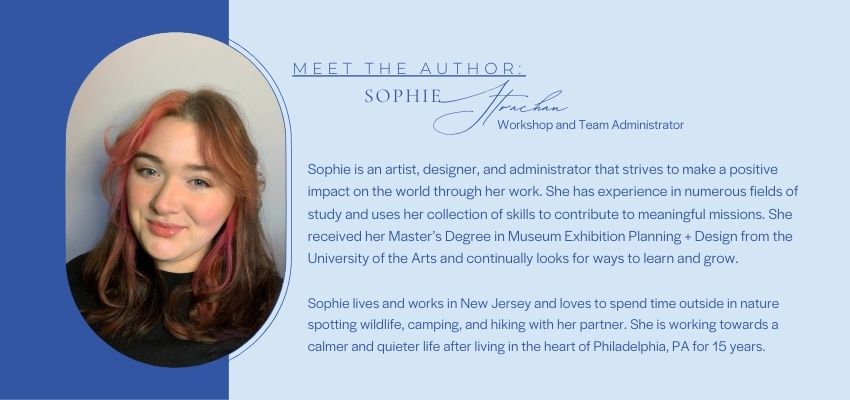
Sophie Strachan, November 4, 2026
Great leaders don’t just show up every day; they also foster a positive work environment for their staff. We’re not talking about toxic positivity, where negative feedback, difficult conversations, or challenges are brushed aside. We’re talking about a kind of positivity that uplifts staff, supports their growth, and creates safe spaces for collaboration, connection, and learning.
Studies show that organizations with leaders who practice positive leadership find improvement in productivity, employee well-being, and lower turnover rates. Put simply: people want to work for, and are more dedicated to, organizations with positive leadership that focuses on collaborating with staff rather than operating within a rigid hierarchy.
So, how can leaders put these ideas into practice? One place to start is with the power of the 4 Ps: Psychological Safety, Purpose, Path, and Progress. Together, these four principles offer practical ways to build a healthier work environment, strengthen team connections, and help staff feel empowered to do their best work.
Let's explore what each of the 4 Ps means and how you can put them into practice in your organization!

Psychological Safety
Psychological safety is the foundation for genuine workplace connections. Just like trust, it takes time to build and requires patience, empathy, and consistency. Leaders can't establish it overnight; they cultivate it through everyday interactions.
Psychological safety is the freedom team members feel when they show up as themselves and believe they can take appropriate risks without fear of retaliation or ostracism. In a psychologically safe workplace, staff feel comfortable admitting mistakes, discussing difficult issues, asking for help, seeking feedback, and trusting that their team will respond with respect rather than judgment.
So, how can leaders begin building psychological safety within their teams?
- Lead by example. Approach difficult situations constructively and without judgment, showing staff that challenging conversations can be opportunities for learning and growth.
- Treat mistakes as a learning opportunity. Encourage staff to reflect on what went wrong and what can be learned, not just for their own growth, but for yours as a leader, too. (Read “How to Embrace the Right Kind of Failure in Your Organization”.)
- Practice transparency. Share the dilemmas, challenges, and uncertainties you or your organization are navigating. Being open about challenges can help normalize uncertainty and build trust across your team.
- Invite honest conversations. Encourage staff to bring work-related problems and difficult issues to you, and show you're willing to listen and work through them together.
- Recognize thoughtful risk-taking. Publicly appreciate when staff tries something new, speaks up, or approaches a challenge differently. Celebrate your team's unique skills, perspectives, and talents.
Purpose
Advocates often have deeply personal or professional reasons for choosing this field. That sense of purpose can be a powerful motivator, especially when people see how their work connects to something bigger than themselves.
In our 2024 RAW Survey Report (Read the Report Here), we found that advocates valued their organization's mission statement more than any other aspect of their organization. A clear, meaningful mission helps staff understand why their work matters and how their individual contributions support the organization's larger goals.
Want to refresh your organization's mission statement? Start with our mission statement worksheet (Download Here)
So, how can leaders help staff connect with their organization's purpose and keep that sense of meaning alive in their everyday work?
- Keep your mission front and center. Develop a clear, meaningful mission statement and bring it into conversations, decisions, and everyday practices. A mission is most powerful when staff can see it reflected in how the organization operates.
- Connect daily work to organizational goals. Regularly share your organization's goals and objectives with staff to help them understand how their contributions move the team closer to its mission.
- Understand what motivates your team. Explore research on motivation, such as Self-Determination Theory (Read more here), to better understand how autonomy, competence, and connection can support staff motivation and well-being.
- Identify your shared values. Work with your team to identify three core values that reflect what matters most to your organization. When staff have a voice in defining those values and see them reflected in organizational practices, it can strengthen their sense of connection, ownership, and purpose.

Path
Just as a clear, strong purpose is essential, a structured path to reach organizational goals is necessary for a functional organization. Without the resources, support, and clarity to complete a task, staff can feel helpless, confused, and incompetent. You could hire the smartest person in the world, but without the tools and support they need to succeed, even the most talented person will struggle to do their best work.
A clear path helps staff understand what's expected of them, where to turn for support, and how their work contributes to the organization's larger goals. It also gives teams the flexibility to adapt as needs, priorities, and roles evolve.
So, how can leaders help create a clearer path for their teams?
- Invest in professional development. Create opportunities for staff and leadership to build new skills, explore their strengths, and continue growing in their roles.
- Clarify roles and responsibilities. Make sure staff understand their responsibilities and how their work connects with the rest of the team. Be willing to revisit roles as organizational needs change and people grow.
- Make staff meetings more meaningful. Use meetings to strengthen communication, build collaboration, and practice positive leadership skills. (Explore our Positive Leadership Skills Worksheet)
- Ask for feedback and listen. Regularly check in with staff about what they need to succeed. What is working well? Where are they getting stuck? What could make their work easier or more effective?
- Create clear, accessible processes. Develop or update standard operating procedures (SOPs) and organizational policies that provide helpful guidance without becoming unnecessarily rigid. Make sure staff can easily find and use these resources when they need them.
Progress
As leaders and overachievers, we can get caught up in the flow of our work. Sometimes, we're so focused on what's next that we forget to stop and appreciate how far we've come. We might not reflect on our progress until New Year's Eve or another birthday!
Regular progress updates, celebrations, expressions of appreciation, and task tracking help staff see how their efforts are making a difference. They reinforce a sense of purpose, keep goals within reach, and remind everyone that progress isn't just about the finish line; it's about the growth that happens along the way.
So, how can leaders help their teams recognize and celebrate progress?
- Make progress visible. Use progress trackers in shared workspaces to help staff see what's been accomplished, what's underway, and how their individual efforts contribute to larger goals.
- Celebrate the big and small wins. Add a spotlight or celebration to staff meeting agendas to recognize achievements, milestones, and everyday moments of growth.
- Reframe how you celebrate success. Explore our blog post, "How to Reframe Your Success by Celebrating Small Wins", for more ideas on recognizing progress along the way.
- Encourage learning and exploration. Create space for staff to try new things, build skills, and learn from their experiences. Progress doesn't always mean getting everything right; sometimes, it means having the courage to try something different.
- Support individual growth. Ask staff about their professional goals and explore how the organization can help them move forward. Investing in individual development shows staff that their growth matters, too.
The 4 Ps are not just theoretical concepts; they are practical strategies that can transform an organization’s culture and performance. The real power of the 4 Ps is how they work together. Psychological safety builds a foundation of trust and open communication. Purpose connects staff to the mission that drives their work. A clear path provides the guidance and resources needed to succeed, while recognizing progress helps teams stay motivated and feel valued for their contributions.
When leaders embrace these principles, the benefits extend beyond individual well-being. They create opportunities for stronger team collaboration, greater organizational effectiveness, and a workplace where staff feel supported, empowered, and connected to the mission. Leaders who prioritize these principles foster environments where employees thrive, innovate, and stay committed for the long term. The benefits are tangible: improved morale, greater productivity, and lower turnover.
Now is the time for leaders to take intentional steps toward putting the 4 Ps into practice. Reflect on your current leadership practices and consider where you might incorporate these principles into your daily work. Encourage open dialogue, reinforce your organization’s purpose, clarify each team member’s path, and celebrate every step forward.
You don’t have to get everything right all at once. By making small, intentional changes and learning along the way, you can help your team thrive, unlock their potential, and create meaningful, lasting change.