You Love This Work – but you need a break.
Joy Ingram, December 11, 2025
How to Step Back Without Stepping Away
To walk beside survivors is both an honor and a heavy responsibility.
Working in direct client services as a victim advocate in the anti-gender-based violence field is immensely rewarding. Yet it can be extremely hard. You have a hand in helping people discover strength and resilience they never knew they had. You watch them transform from victim to survivor. At the same time, you’re constantly exposed to other’s trauma - and asked to hold space for them during some of the hardest moments of their lives.
Even when advocates feel called to this work, it takes a toll - mentally, emotionally, and even financially. The weight of direct services work can lead to compassion fatigue, burnout, or even worsen existing mental/physical health challenges. Sometimes, despite a deep love for advocacy, these pressures push advocates to step away from direct client work - at least for a season.
Why You Need a Break, and How Long Should It Last?
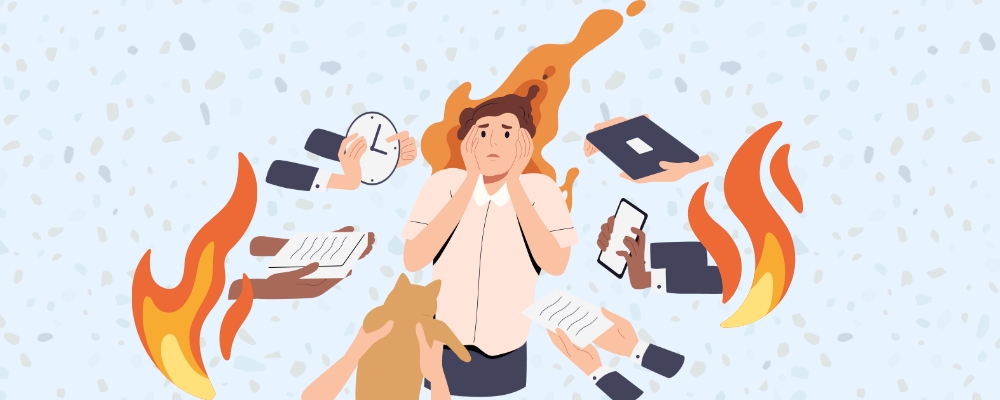
Taking a break from direct service work isn’t a sign of weakness, it’s a sign of humanity. Advocates give so much of themselves, often pouring heart, mind, and energy into supporting others. But the reality is that no one can sustain this intensity forever without rest.
There are countless reasons you might need to step back. And just as every advocate’s journey is unique, so is the length of time needed to recover, regroup, and decide what comes next.
Burnout is one of the most common reasons advocates need to take a step back. Experts say recovery can take anywhere from a few months to a few years, depending on the severity (mild, moderate, or extreme) and the supports you have in place. Having a strong support system can shorten recovery time and make the process less overwhelming. As you think about your own needs, ask yourself:
- Do I have friends or family I can lean on?
- Am I connected with a therapist or mental health professional who can walk alongside me?
- Does my organization offer trauma-informed policies or reasonable accommodations that can ease the load?
Other mental health challenges such as depression, anxiety, PTSD, or bipolar disorder may also require time away. Advocates are constantly exposed to trauma, which can worsen existing conditions or bring new ones to the surface. These challenges might affect your sleep, concentration, or ability to regulate emotions - making it harder to show up for clients in the way you want to. Having a trusted mental health practitioner is crucialfor identifying treatment options, creating a recovery plan, and setting realistic expectations for your return. Some advocates benefit from short-term breaks combined with therapy or medication adjustments, while others may require extended leave to heal fully.
Physical health issues can also prompt advocates to take a break. In advocacy, where the work is often fast-paced and emotionally heavy, it can be especially difficult to balance healing with professional demands. Whether it’s your own illness or that of a loved one, anything from a seasonal illness like the flu to long-term treatment such as chemotherapy or recovery after a car accident may require a pause from direct service. The length of leave can range from a few days (minor illness or outpatient surgery), to a few months (major surgery, cancer treatment, or long-term rehabilitation), or even indefinitely if a permanent disability makes direct service work unsafe or unrealistic.
Financial stressors are another common reason advocates step away from direct services. While the work is deeply meaningful, many direct service roles come with low salaries, limited benefits, and little room for financial growth. This reality can leave advocates juggling multiple jobs just to make ends meet. Sometimes advocates step into another field temporarily to cover a large bill, pay down debt, or save for a major life change. Other times, financial pressures - such as supporting a family, managing medical expenses, or planning for retirement - require a longer-term or even permanent shift away from direct service.
Relocating may inadvertently cause you to take a break from working in direct services. This can be especially challenging if the move is out of your control, such as relocating for a partner’s job, to be closer to family, or for more affordable housing. Unlike retail or grocery stores, where you can usually find multiple employers in the same town, most communities have only one DV/SV agency serving the area. Moving to a new city may mean options are limited – and rural or remote areas may offer no opportunities at all.
…and sometimes, people simply need a change and that change may be permanent. Providing direct services is incredibly meaningful, but it’s also demanding - and it isn’t the right fit for everyone long-term. It’s okay to recognize that the direct service work takes more of a toll than you are willing or able to carry. Choosing a different path doesn’t erase the impact you’ve already made, nor does it mean you stop being an advocate.
If direct services isn’t your jam, there are still countless ways to advocate and support survivors outside of agency walls. You don’t have to be a social worker, case manager, counselor, hotline worker, or shelter coordinator to make a difference. Advocacy can look like spreading awareness in your community, volunteering at events, donating money or supplies, mentoring the next generation of advocates, or using your voice to influence policy and cultural change.

The Legacy of Advocacy
As advocates, most of us don’t see the work we do as just a job. Advocacy is woven into who we are - sometimes through lived experience as survivors, sometimes through passion for justice, and often through both. For some, the work is a way of paying forward the support we once received. For others, it’s about offering survivors the care we never had ourselves. Survivor or not, our shared goal is the same: to ensure that those we serve are never alone on their journey.
Because of this deep commitment, stepping away can feel almost impossible, even when the work is breaking us down. But advocacy must also include advocating for ourselves. Sometimes that means recognizing our limits and stepping back. Whether we step away for a little while or forever, if we know that we gave our best while we could, then we can rest assured that survivors have felt our dedication, and we can extend the same compassion and appreciation to ourselves.
Stepping back doesn’t erase your work - its legacy lives on in every survivor you’ve impacted. ✨