Advocates in Action: Inside the Nationwide Effort to Build Healthier Anti-Violence Agencies
Joy Ingram, August 13, 2026
After 3 years of dreaming, discussing and planning, RAFT successfully hosted our first Appreciative Inquiry Summit, “The Next Evolution of the Anti-Violence Movement: Co-Creating Organizations that Empower Advocates to Contribute, Grow, and Thrive”. We are overjoyed to see such a worked-for goal come to fruition. The two-and-a-half-day summit brought together advocates from across the nation to have meaningful conversations about how the positive aspects of the difficult and meaningful work they do can be used to resolve common and widespread issues in the advocacy arena and create healthier outcomes for advocates and survivors.
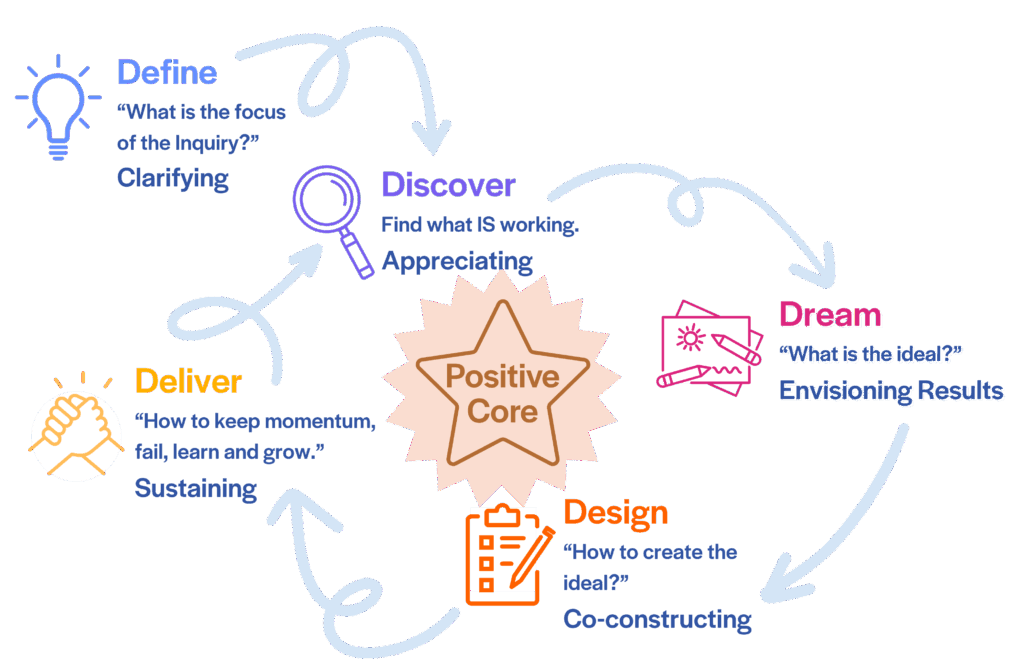
From June 6-9, 37 advocates from as many agencies across the United States actively participated in the Appreciative Inquiry process, an organizational change methodology that focuses on identifying what’s working well instead of what’s broken. By shifting the focus from negative to positive, this process helps participants collaborate to build a positive vision and working plan for the future.
As a survivor, former direct services advocate, and now an advocate for advocates, I find Appreciative Inquiry both energizing and encouraging. I’m naturally curious and love learning. I also try to be as optimistic as possible when dealing with challenges. Appreciative Inquiry provides the opportunity to use both of these strengths as a way to work to solve so many of the problems we face in the anti-violence field.
In true RAFT form and aligned with the foundations of Appreciative Inquiry, we started the summit with positivity by sharing gratitudes. Advocates gladly complied with the request by verbally sharing some gratitudes and writing others on a padlet. Some gratitudes that advocates shared include health, family, sunshine, coffee (of course), and the Appreciative Inquiry summit!
Discovery
Immediately following gratitudes, participants completed the Discovery Phase where they interviewed each other to learn about the most positive experiences that they’ve had working as advocates. From the interview findings, they gathered recurring positive themes that they want to see multiplied in their work, their agencies, and the anti-gender-based violence field as a whole.
Some themes that came out include validation, collaboration, and creativity as high points in advocacy. Other themes include feeling a sense of purpose to ensure community safety and continued advocate availability to survivors; better funding; and inspiring the next generation of advocates to create a brighter future.
I was able to interview two participants during the Discovery Phase. Engaging with advocates from very different agencies reaffirmed two things for me:
- Many agencies are facing the same challenges, regardless of the size or location.
- Advocates are ready to do the necessary work to transform the movement.
Dream
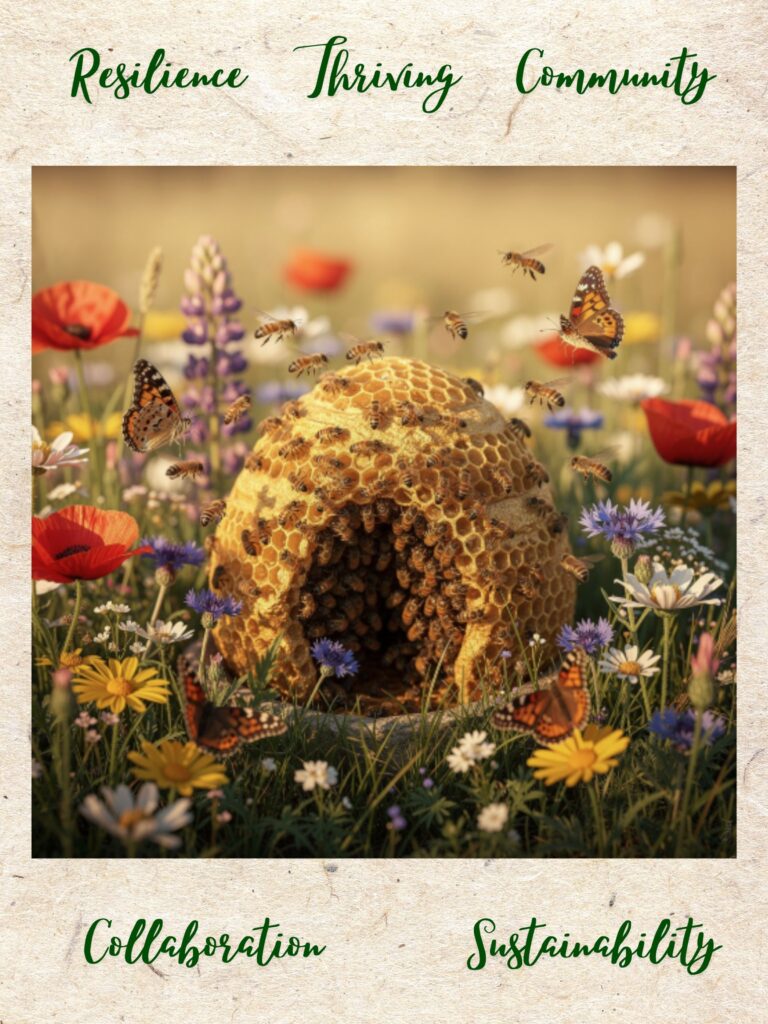
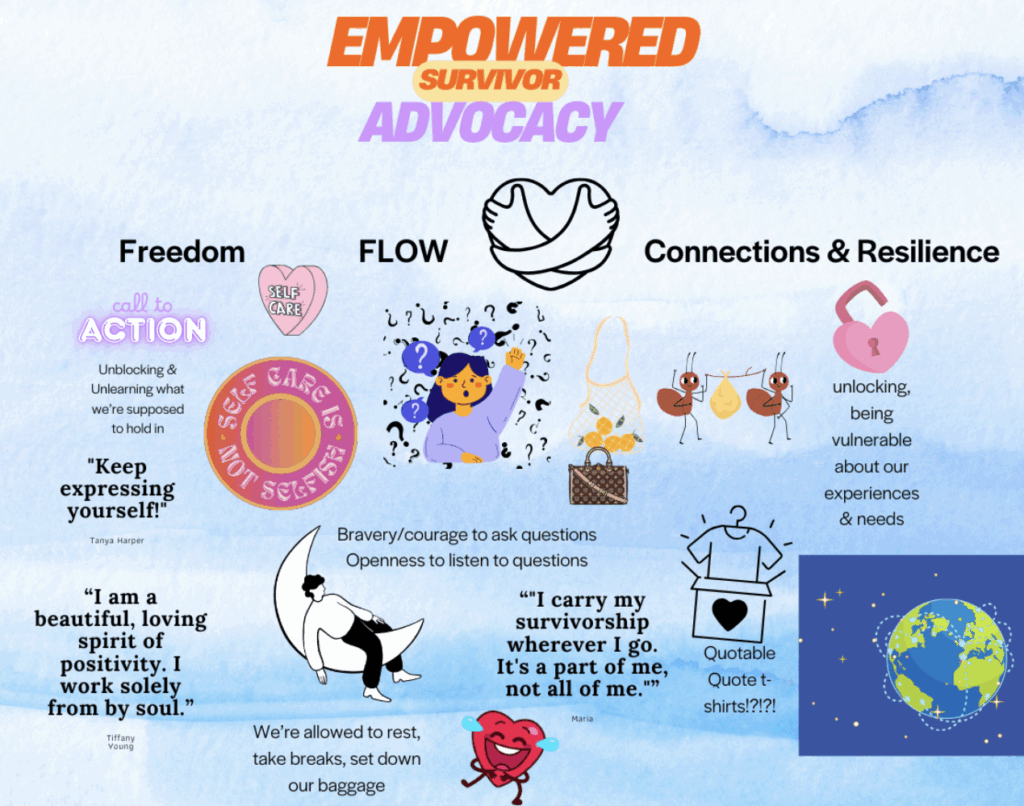
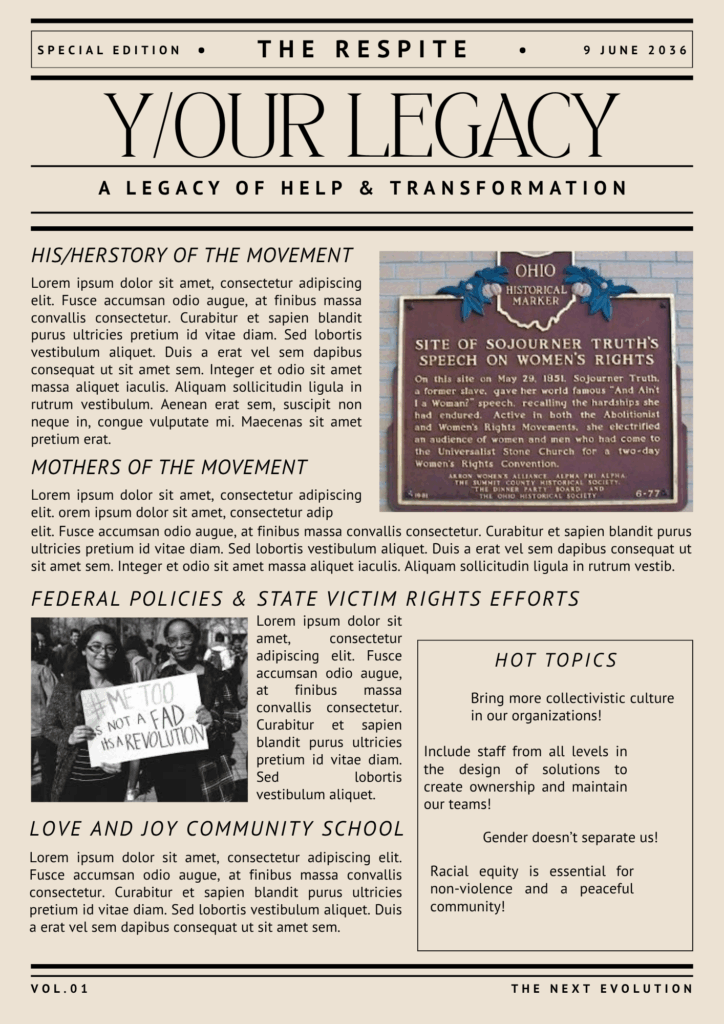
After Discovery, participants moved into the Dream Phase. During that process advocates created various types of images and references of what it would look like if their wildest dreams for this field became a reality in the next ten years. While dreaming of the future, advocates were encouraged to be unbridled in their thoughts and let their imaginations move well beyond the boundaries of current systems and barriers. They were also told to envision this wonderful future as if it’s already real, not something yet to come. Some dreams include increased advocate empowerment through shared power and less hierarchy at agencies, more survivor-led agencies, stronger communication and collaboration, better work/life balance, more organization transparency, and of course, adequate funding. The dream images advocates created include: a picture collage, individual pictures, a word cloud, a list of songs, a description of a beehive as organizational infrastructure, and newspaper headlines announcing the new and improved organization.
Design
In the next phase of the Appreciative Inquiry, the Design Phase, advocates moved from imagining what a new future will look like to collectively brainstorming ideas on how to make the dreams reality. They discussed projects they can create and actions they can take to realize the dream of a better, more sustainable advocacy ecosystem that promotes both advocates and survivors being healthy and flourishing. Some of the proposed ideas comprise creating policies around improved work/life balance, including four-day work weeks; using talent mapping to align staff skills and work duties; and providing mandatory trauma-informed trainings for advocates and other service professionals, including law enforcement and others working in criminal justice.
Delivery
In the Delivery Phase, the final phase of the AI process, advocates worked in groups to select one idea to prototype and take it to their organization to test. Accomplishments during this phase include beginning proposal drafts for four-day work weeks, a weekly half hour of paid self-care time, and involving all staff in agency strategic planning. All are lofty yet doable concepts. And while these strategies will definitely take time to accomplish, advocates are already diligently working to bring them into being.
Because the Delivery Phase is ongoing, RAFT is also hosting Appreciative Inquiry co-working sessions where advocates can join RAFT team members on monthly scheduled Zoom calls to receive resources and guidance to help them present and hopefully implement some of their ideas for a better agency. This new service is a part of our own Delivery Phase for our agency’s Appreciative Inquiry: proof that we don’t just talk about the work; we do the work as well.
It’s been six weeks since advocates from across the nation completed RAFT’s inaugural Appreciative Inquiry Summit, and I’m still stoked! This event gave staff members from various agencies the rare opportunity to gather, collaborate, and explore potential solutions to problems that plague all of us working in victim/survivor service agencies. In a space where they were encouraged to dream wilder and bigger, advocates used radical imagination to envision what a healthier advocacy ecosystem will look like when we combine our efforts to build it. We know what it is that we want and that we can accomplish it. Now, we must do the work to get there. We will continue to appreciate the greatness that’s already been achieved while inquiring about how we can build a movement that’s even better. And RAFT will be side by side with advocates on this journey to make sure that no one walks alone.