Black Women on the Frontlines of Equity and Ending Violence
Joy Ingram, June 24, 2026
When we think of history makers, we often refer to the movers and shakers of the past who have passed away. We regularly celebrate people’s efforts and accomplishments posthumously, rarely recognizing their hard work and achievements while they are able to appreciate the revelry. In an effort to change that, this piece, in honor of Black History and Women’s History Months, celebrates five Black women who are alive and kicking. It uplifts and honors their contributions to the ongoing movement to promote justice and equity, and end gender-based violence.
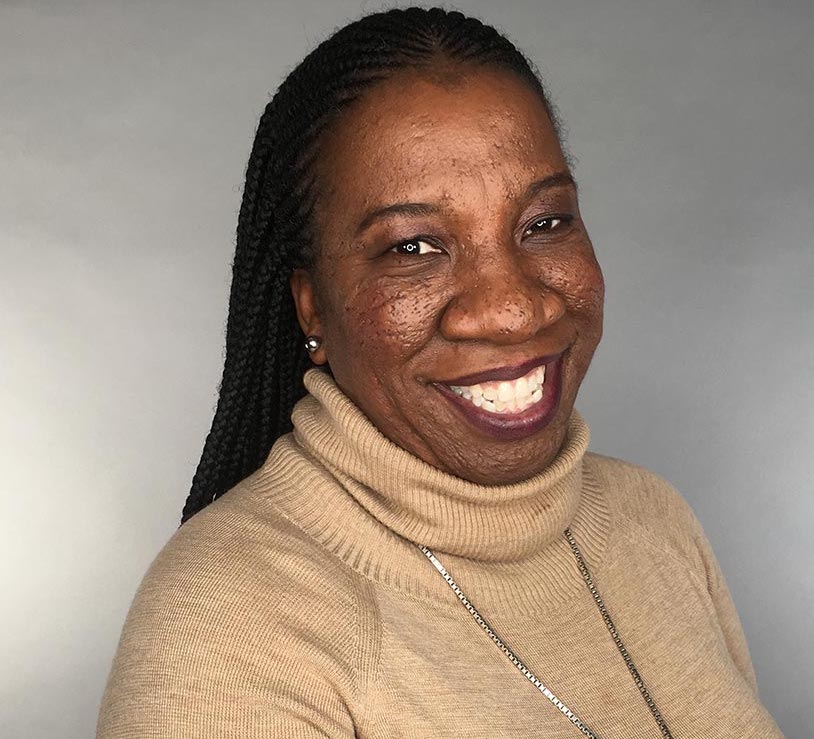
Tarana Burke: Two Little Words, So Much Power
Most notably known as the founder of the #MeToo Movement, Tarana Burke was battling rampant sexual assault in her community long before those two little words went viral. She began the Me Too Movement in 2006 when she spoke those words to a survivor in a show of solidarity. The movement gained worldwide attention and momentum in 2017 when celebrities began repeating the phrase on social media in the wake of the Harvey Weinstein cases.
More than just a hashtag and social media trend, the #MeToo Movement has grown into one of the most well-known tools in the mission to end sexual assault. As a way to continue to motivate and organize survivors and advocates around the globe, Burke founded Me Too International in 2018, a global nonprofit aimed at helping survivors heal and dismantling rape culture.
Because of her work, Burke was named one of the Silence Breakers and one of Time Magazine’s Persons of the Year in 2017. In 2021 She penned Unbound, a memoir about her journey as a survivor and the birth of the Me Too Movement. She continues to advocate for survivors in many ways including serving as Me Too International’s Chief Vision officer and regularly speaking out for survivors and against sexual assault whenever and wherever she can. Her leadership has reshaped how the world talks about sexual violence and helped create a culture where survivors can connect, support one another, and demand change.
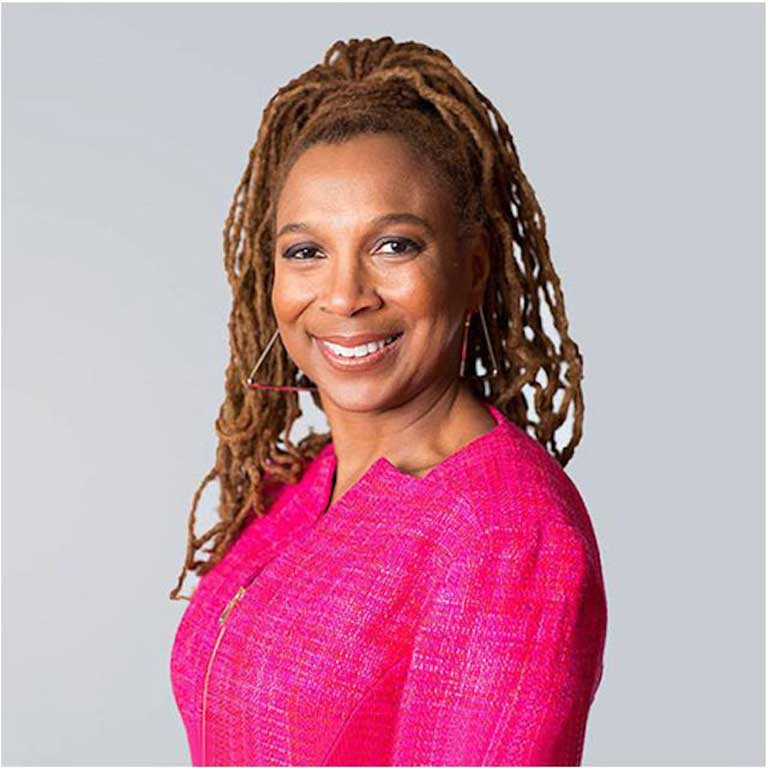
Kimberle Crenshaw: Fighting Inequality with Intersectionality
As a legal scholar, civil rights advocate, and professor, Kimberle Crenshaw has fundamentally reshaped how scholars, advocates, and policymakers think about race, gender, and violence. In 1989 she introduced the concept of intersectionality, a framework that has become essential in conversations about justice, equity, and anti-gender-based violence.
Using a traffic intersection metaphor, Crenshaw explains that just as a person standing at an intersection can be hit by traffic from multiple directions, individuals can experience harm from multiple systems of oppression—such as racism, sexism, classism, ableism, etc. simultaneously.
One of the most influential applications of intersectionality has been in the movement to end violence against women. Crenshaw’s research demonstrates that traditional responses to gender-based violence often failed to address the needs of women of color. For instance, survivors of domestic violence may face barriers related to immigration status, language access, policing practices, or economic inequality—factors that are not always considered in mainstream approaches to advocacy.
Crenshaw’s work highlights how race and gender interact in issues like domestic violence, sexual assault, and policing. For advocates working with survivors in these areas, intersectionality reminds us that there is no single solution that works for all survivors. Survivors of different backgrounds face various barriers, and effective, trauma-informed support must reflect those realities.
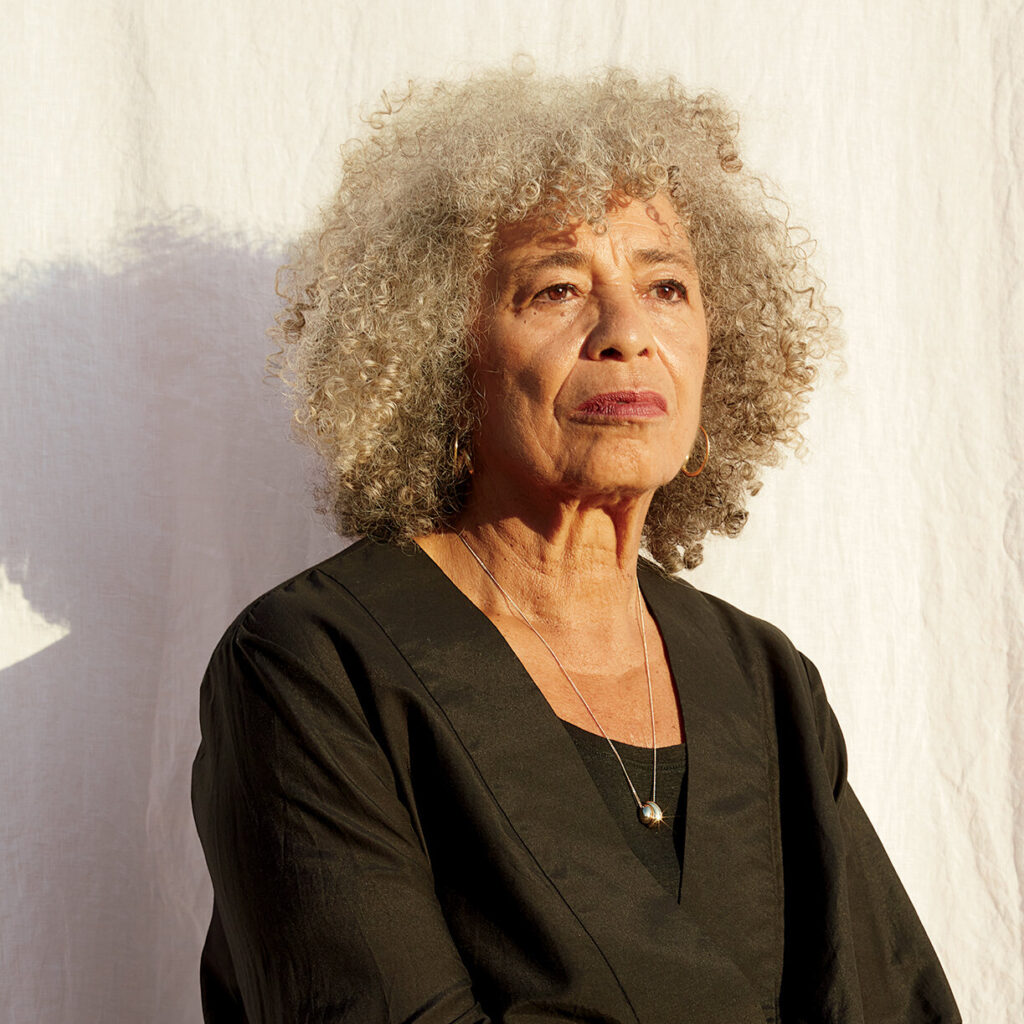
Angela Davis: A Lifelong Voice for Justice and Ending Violence Against Women
For more than five decades, Angela Davis has been a powerful advocate for racial justice, gender equality, and the transformation of systems that perpetuate violence and inequality. Her work connects activism, scholarship, and organizing, helping shape global conversations about justice and human rights.
Angela Davis first emerged as a prominent activist during the civil rights and Black liberation movements of the 1960s and 70s. Her activism garnered national attention during the early 1970s when she was arrested and later acquitted in a highly publicized trial that sparked international support and highlighted issues of political repression and racial injustice within the U.S. legal system. This experience launched her as a symbol of resistance and a voice for those challenging systemic oppression.
One of Davis’s most important contributions is her analysis of the intersection of racism, sexism, and economic inequality. In her analysis she emphasizes that violence against women cannot be understood in isolation from other systems of oppression.
In her influential book Women, Race & Class, Davis examines how the experiences of Black and other marginalized women have often been excluded from mainstream feminist movements. She argues that movements to end gender-based violence must address the realities of racism, poverty, and mass incarceration. This approach has helped expand conversations around violence against women, encouraging advocates to consider how structural inequality shapes survivors’ experiences.
Her work encourages advocates to ask difficult questions such as:
- What conditions allow violence to happen?
- How can communities respond to harm without creating more harm?
- What resources are necessary to support survivors in meaningful ways?
These questions have influenced many modern movements working to end gender-based violence and promote restorative or transformative justice practices.
At 82 years old, Angela Davis continues to teach, write, and speak around the world, inspiring new generations of activists, scholars, and advocates. Her work reminds us that struggles for racial justice, gender equality, and economic fairness are deeply interconnected and that meaningful change requires looking beyond individual incidents of harm and examining the broader systems that shape people’s lives.
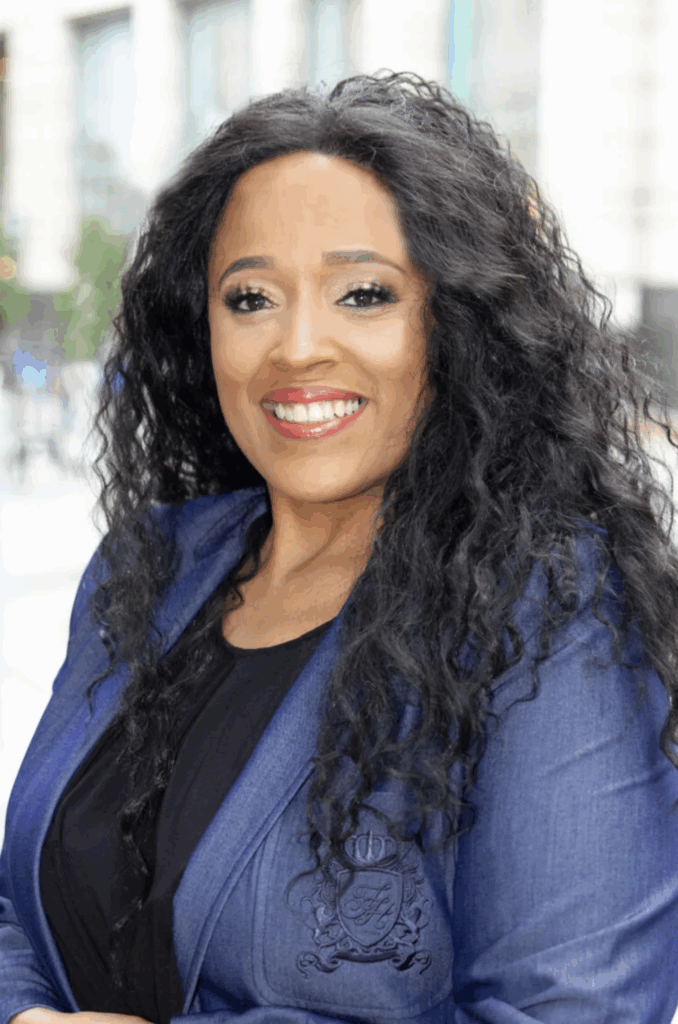
Tanya Gould: From Survivor to Advocate Against Human Trafficking
Tanya Gould’s journey into anti-trafficking advocacy began with her own experience as a sex trafficking survivor. Instead of allowing the experience to define her future, Gould transformed it into a mission to help others escape and heal from exploitation. For over 20 years she has worked across multiple sectors—including government, nonprofit organizations, and community education—to raise awareness about trafficking and improve support for survivors.
Gould currently serves as the Anti-Human Trafficking Director in the Office of the Attorney General of Virginia. There she helps coordinate statewide efforts to prevent trafficking, support survivors, and strengthen partnerships among law enforcement, service providers, and community organizations.
Through speaking engagements, trainings, and community education, Gould helps hundreds of organizations better understand how trafficking occurs and how communities can respond effectively. Her work emphasizes prevention, awareness, and long-term support for those who have been trafficked.
Tanya Gould’s advocacy demonstrates the power of survivor leadership in the movement to end human trafficking. By combining personal experience with policy work and education, she continues to influence how communities, governments, and organizations address one of the most pressing human rights issues of our time.
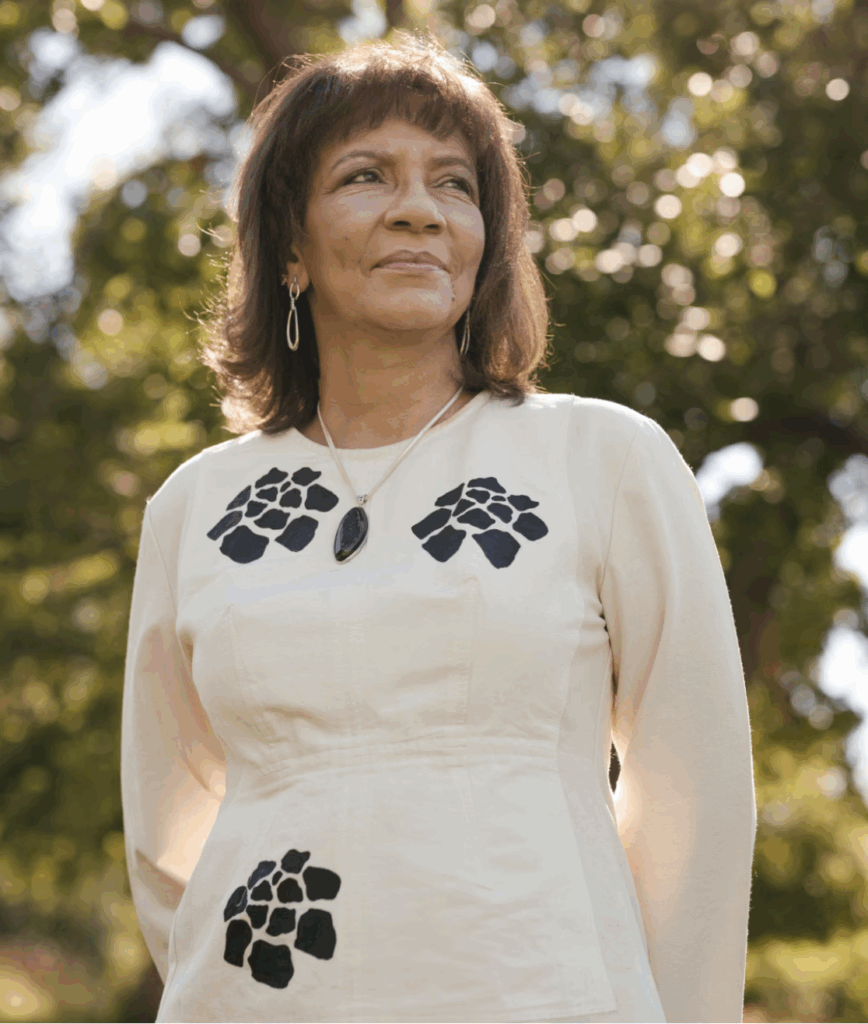
Ruth Glenn: A Leader in the Movement to End Domestic Violence
For three decades, Ruth Glenn has been a powerful voice in the movement to end domestic violence. Her advocacy, deeply rooted in her own lived experience as a survivor, reflects a foundational belief that survivors must be centered in the movement to end gender-based violence. She emphasizes the importance of building compassionate and inclusive responses to abuse. By sharing her story and uplifting the stories of others, Glenn has helped move attitudes about intimate partner violence from silence and stigma toward empowerment and healing.
Glenn has served in numerous leadership roles within the domestic violence field, most notably from 2014-2025 as the President and CEO of the National Coalition Against Domestic Violence (NCADV). In this role, she helped advance national policies, public awareness, and survivor-centered approaches to prevention and intervention. Before working for NCADV, she led the National Domestic Violence Hotline, helping expand services for survivors seeking immediate safety and support. Her leadership has helped ensure that survivors across the United States have access to confidential crisis intervention and resources.
Today, Ruth Glenn continues to speak, write, and advocate for survivors of domestic violence. Her leadership has helped strengthen national awareness about the impact of abuse and the importance of prevention. More importantly, her work serves as a reminder that meaningful change often begins with the courage of survivors who choose to turn their experiences into advocacy.
These are just a few of many who are dedicating their lives to creating a safer world for not just women, but for people collectively. We are grateful for their resilience, resistance, and revolution and give them their flowers while they can appreciate the beauty. As advocates, it is encouraging to know that we work among devoted allies. As survivors, it’s comforting and inspiring to know that we have such strong and unwavering support.