
6 Blogs About Embracing Empathy: For Yourself and Towards Others
Sophie Strachan, June 10, 2026
Empathy can be an elusive phenomenon. As advocates, we want to embody empathy for our clients. So, they feel safe, cared for, and heard. If you aren’t practicing self-empathy or self-care, burnout and compassion fatigue can set in. This affects your ability to care for your clients and effectively do your job.
How can you be empathetic and protect yourself from vicarious trauma simultaneously?
How can you foster self-empathy to build resilience to stress?
How do you show up every day without burning out?
Check out the blogs below for suggestions, advice, and hopefully some helpful answers!
The Power of Presence: Offering Emotional Support Without Fixing
In a society that often emphasizes problem-solving, it's important to remember that emotional support doesn't always involve offering solutions. Sometimes, being an empathetic presence and a compassionate listener can make all the difference in someone's journey toward healing and resilience. Let's explore the art of providing emotional support without feeling the pressure to fix everything.
Self-Love = Self-Care: 5 Reasons I Value Myself
My journey of self-discovery, aimed at living more authentically, has been transformative. Learning how to value myself (and the parts that make me me) has profoundly impacted my ability to live a more authentic life. It has helped me embrace who I truly am, free from the constraints of external expectations and societal pressures.
I am a firm believer that recognizing and celebrating our own worth strengthens our commitment to self-care and personal growth. In this blog, I’m embracing the practice of "5 Reasons I Value Myself" to help achieve my goal/personal mission statement.
Empathy With a Seatbelt: Offering Support without Sacrificing
Let’s be real — empathy is kind of our superpower.
It’s why we can sit with someone on the worst day of their life and not flinch.
It’s why people trust us with their stories.
It’s why so many of us were drawn to this work in the first place.
And It’s also why so many of us end up absolutely exhausted.
Empathy is one of the most powerful tools an advocate has. It allows us to understand another person’s experience, sit with their pain, and offer support that feels real and human. Its often why people are drawn to this work in the first place.
...but there’s a fine line between being empathetic and sacrificing your own well-being.
Overcome Shame: Harness Critical Awareness for Healing and Self-Empathy
Self-Empathy is the strongest antidote for shame. According to Dr. Brown, the opposite of experiencing shame is experiencingempathy. In her research, people with the highest levels of shame resilience were both givers and receivers of empathy. Empathy is the ability to understand, be aware of, be sensitive to, and vicariously experience the feelings, thoughts, and experiences of another. Self-Empathy is about turning those abilities inward and offering yourself the same empathy that someone else would.
It can be a challenge to practice self-empathy, especially if you believe that you don't deserve it. We can overcome shame and heal from it by using Critical Awareness to promote self-empathy.
What it Means to be an Advocate and a Survivor
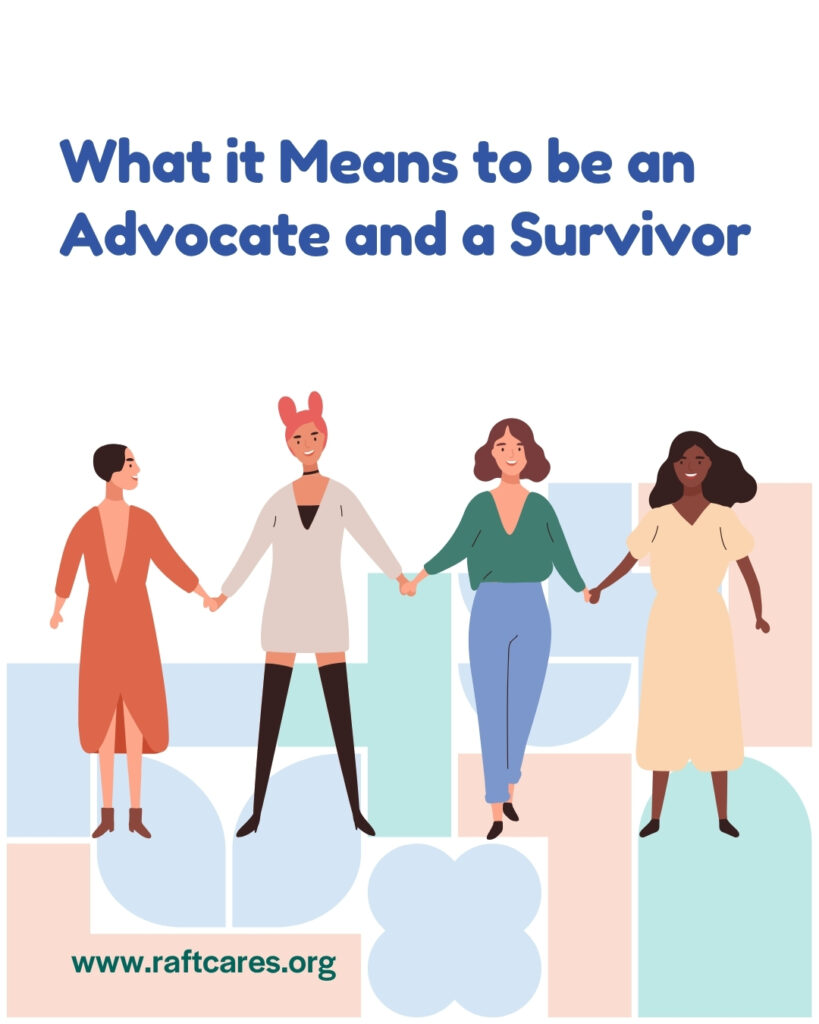
As unfortunate as it is, it is not uncommon to be a survivor of violence in the USA. It's no different for advocates working in the SV/DV field. We know from our 2022/23 Roadmap to Advocate Wellness Survey that 61% of the advocates, who participated, also identified as survivors of domestic or sexual violence. Advocates who are also survivors often join the anti-violence movement because of their lived experiences. Advocates have shared that because of their experiences, they can easily empathize with their clients, and know what they're feeling. We want to share a few stories with you directly from the RAFT team, advocate responses to our Roadmap to Advocate Wellness Survey, and other advocates about what it means to be both an advocate and a survivor.
Cultivating Self-Empathy: A Roadmap to Inner Balance
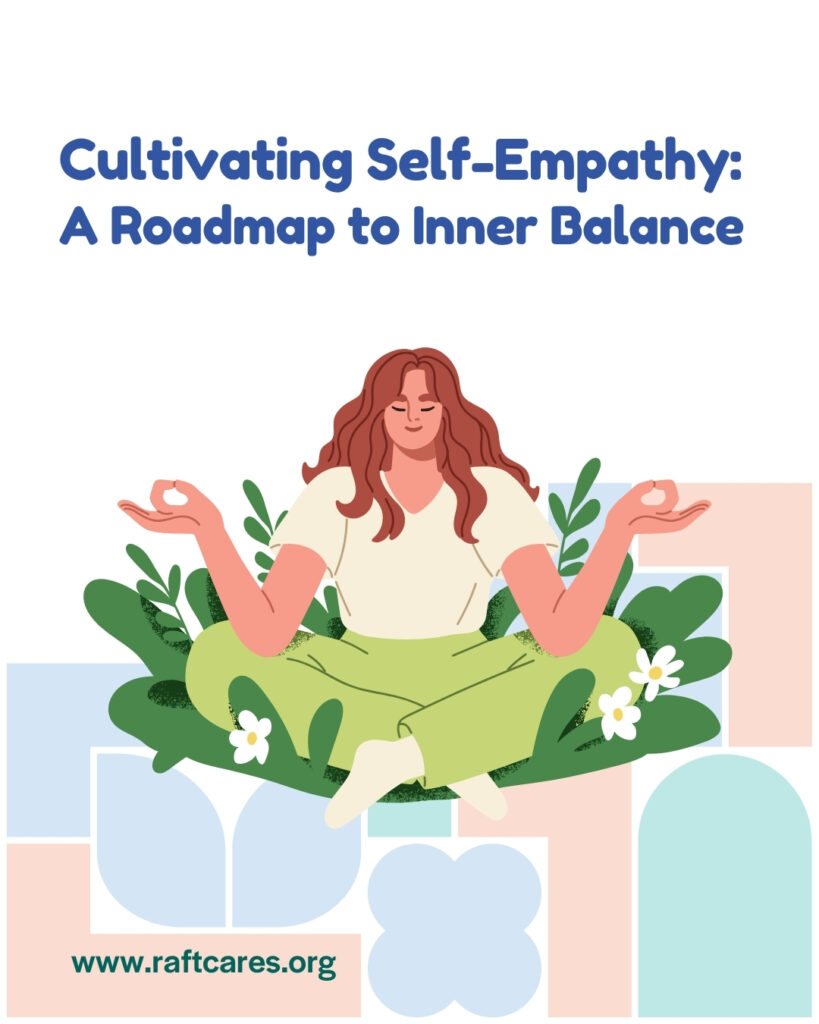
Self-empathy is simply treating yourself with the same kindness and understanding that you offer others. It’s about recognizing your feelings without judgment and responding with compassion, especially during tough times. When we practice self-empathy, we give ourselves the space to feel, heal, and grow, which supports our emotional well-being.
Self-compassion is a big part of this. It’s about being gentle with yourself—acknowledging your struggles and imperfections without harshness. Instead of being critical, you choose to nurture yourself with care, which makes it easier to practice self-care in ways that truly nourish you.
Opening yourself up to share your empathy isn’t easy. Even more so when it’s your job. It’s emotionally draining, and potentially traumatic. Remember to treat yourself kindly, protect yourself when you feel depleted, and practice self-empathy. You can’tpour from an empty cup!