Empathy With a Seatbelt: Offering Support without Sacrificing
Maegan Bradshaw, March 18, 2026
Let’s be real — empathy is kind of our superpower.
It’s why we can sit with someone on the worst day of their life and not flinch.
It’s why people trust us with their stories.
It’s why so many of us were drawn to this work in the first place.
And It’s also why so many of us end up absolutely exhausted.
Empathy is one of the most powerful tools an advocate has. It allows us to understand another person’s experience, sit with their pain, and offer support that feels real and human. Its often why people are drawn to this work in the first place.
...but there’s a fine line between being empathetic and sacrificing your own well-being.
That’s why I’m here to remind you that disrespecting your boundaries in the name of empathy isn’t noble; it’s detrimental to both you and those you’re supporting.
The Myth of Noble Sacrifice
In advocacy and caregiving roles, there’s a deeply ingrained belief that dedication means self-sacrifice — that being truly committed requires pushing past your limits, absorbing more than is sustainable, and placing your own needs last.
This belief is often praised, but it comes at a cost.
Research on burnout and compassion fatigue shows what many advocates already know from lived experience: when we consistently override our boundaries, our capacity shrinks. We become exhausted, less present, and less effective. Our work becomes heavier, not because we care too much, but because we’re caring without protection.
Resilience in advocacy doesn’t come from depletion.
It comes from balance, discernment, and self-preservation.
So, if empathy is such a powerful connector, why does it sometimes end up doing harm?
When Profound Empathy Becomes a Burden
Empathy allows us to step into another person’s world, to listen deeply, and to offer support that validates their experience. It’s the foundation of advocacy and one of the most powerful ways we connect as humans. But empathy becomes distorted when it is equated with self-sacrifice. The idea that “to truly care, I must give everything of myself” turns empathy from a bridge into a burden.
Instead of fostering connection, it drains us and creates distance - because no one can sustainably carry the emotional weight of others without tending to their own.
Healthy empathy respects both the other person’s pain and our own limits. It involves both understanding and discernment - knowing how to stand with someone in their suffering while still preserving your own well-being. When we recognize that empathy doesn’t require absorbing every emotion or fixing every problem, we create space for presence without depletion.
And that’s where boundaries come into play... not as walls, but as the framework that keeps empathy sustainable.
Boundaries as a Foundation, Not a Barrier
Boundaries (one of RAFT’s favorite words) are the limits we set to protect our physical, emotional, and mental well-being. They clarify where we end, and someone else begins, allowing us to remain grounded and maintain a sense of self.
Boundaries are not about keeping people out but about defining who we are and how we want to interact with the world. They are essential for creating a life that truly aligns with our core values.
When healthy boundaries are in place, they:
- Protect our emotional regulation, keeping us from becoming overwhelmed by others’ emotions and demands.
- Support rest and recovery, allowing us to pause for time to decompress and recuperate.
- Foster healthier, more respectful relationships, reminding us to respect other’s boundaries; be mindful of verbal and non-verbal cues, asking for consent, and respecting decisions without judgment or resentment.
- Promotes personal growth, helping us clarify values, priorities, and goals.
- Allows advocates to remain effective over time, sustaining our ability to serve without burning out.
Boundaries do not diminish compassion; they protect it.
The Cost of Empathy Without Limits
It’s easy to allow empathy to override our boundaries, thinking we’re more compassionate or selfless. But when we deeply connect with others’ struggles without setting limits, we risk absorbing their pain and losing sight of our own needs. The result is predictable: exhaustion, disconnection, and unsustainable advocacy.
It can show up as:
- Emotional exhaustion and burnout – chronic stress that diminishes effectiveness.
- Compassion fatigue – becoming numb to others’ pain after prolonged exposure.
- Blurred personal and professional lines – over-involvement that strains personal life.
- Enabling rather than empowering – preventing others from developing coping mechanisms and resilience.
- Decreased objectivity – clouded judgment that limits problem-solving.
- Self-neglect – ignoring your own needs until health issues arise.
None of this happens because advocates care too little. In fact, it usually happens because they care deeply. Without boundaries, empathy can slowly turn from a strength into a source of depletion.
Which is exactly why boundaries are not a barrier to compassion... they are what sustain it.
Boundaries as a Form of Ethical Self-Care
Establishing and maintaining boundaries is not a selfish act; it’s an essential component of ethical self-care. They help you protect your time, energy, and emotional health. Far from creating distance, boundaries create clarity. And allow you to show up with intention rather than obligation.
Strategies for Setting Boundaries
- Identify Your Needs and Limits: Reflect on what you need to feel safe, respected, and balanced.
- Communicate Clearly: Use “I” statements to express boundaries respectfully and assertively.
- Practice Rest Before Crisis: Regular activities that nourish your body, mind, and spirit reinforce your boundaries.
- Seek Support: Surround yourself with people who honor your capacity; lean on mentors or peers when needed.
- Be Consistent: Uphold your boundaries, even when it feels uncomfortable.
When we view boundaries through the lens of self-care, they stop feeling restrictive and start functioning as anchors. Inadvocacy especially, they are what keeps empathy sustainable - ensuring that your compassion doesn’t come at the expense of your own well-being.
The Importance of Self-Preservation
Practicing boundaries ensures that empathy truly remains a gift. To maintain a healthy balance, it’s important to recognize that setting boundaries doesn’t make you less empathetic; it makes you more effective. While empathy allows us to connect deeply and offer meaningful support, boundaries and self-care help ensure we can keep showing up without depletion.
This balance allows advocates to remain compassionate, present, productive, and fulfilled humans... even outside of their roles.
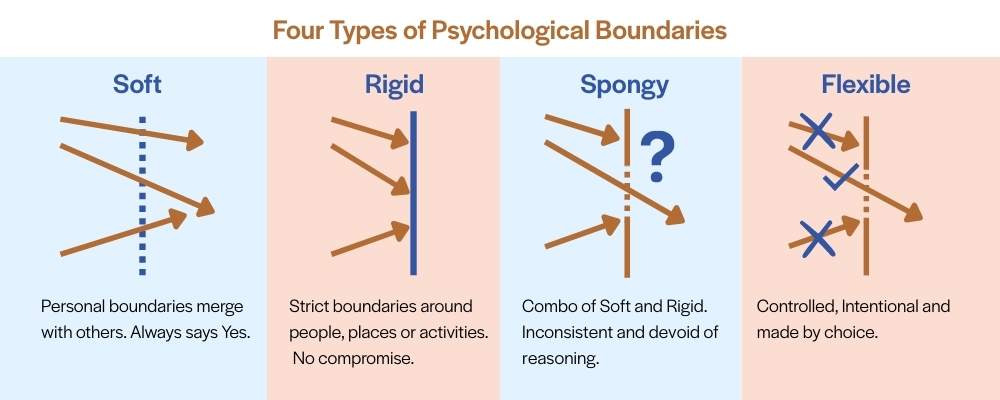
Exercising flexible boundaries also models something powerful: that care can exist without self-erasure, and that compassion and boundaries are not opposites. For survivors, this modeling matters. It reinforces autonomy, mutual respect, and the idea that care does not require harm to oneself.
Self-preservation isn’t selfish; it’s sustainable. Advocacy asks a lot of our hearts, and protecting our own well-being allows us to stay in this work with clarity, care, and resilience.
At RAFT, we often say that small actions create big impact. Boundaries are one of those small actions that protect both the advocate and the people they support.
A few small ways to practice this:
- Pause before responding. Not every situation requires an immediate response. Giving yourself a moment to assess capacity can prevent reactive decisions.
- Use shared language. Phrases like “Let me check my capacity and follow up” or “I want to support this, but I need to revisit timing” create clarity without guilt.
- Protect your off time. Rest, connection, hobbies, and joy are not luxuries... They are what refill the energy this work requires.
Empathy is one of the most powerful tools advocates carry. Boundaries are what ensures that tool remains strong.
Nurturing Healthy Relationships
For advocates, healthy relationships with survivors are rooted in empathy, trust, and respect. But here’s where human error can happen; when we neglect our own well-being, those relationships often suffer. Exhaustion can make us less patient, less attentive, and less present at the moment. By contrast, when we honor our self-care and boundaries, we show up with theenergy, clarity, and compassion survivors need. In other words, self-preservation isn’t just for us - it’s also for the people we serve.
How Honoring Ourselves Strengthens Client Relationships:
- Improved Presence: Advocates who are rested and regulated can truly listen, without distraction or burnout-driven impatience. Survivors feel seen and heard.
- Modeling Healthy Boundaries: When we maintain our limits, survivors witness an example of respectful, mutual care - helping them rebuild their own boundaries after trauma.
- Building Trust Through Consistency: Survivors trust advocates who show up reliably. Consistency is only possible when we protect our own capacity.
- Creating Space for Empowerment: By not overstepping, advocates give survivors the room to make decisions and exercise their own voice, which is central to healing.
When we model balance and boundaries, we demonstrate what a safe, respectful connection looks like. This not only nurtures healthier client–advocate relationships but also reinforces survivors’ autonomy, reminding them that their needs matter and so do ours.
Empathy is a beautiful and necessary trait, but it should never come at the expense of your well-being. Ignoring your own limits in the name of compassion isn’t noble. By setting and maintaining healthy boundaries, you are truly and deeply caring for yourself. And when advocates care for themselves, they protect the very compassion that brought them to this work.
✨ PSA: I’M HERE TO TELL YOU THAT YOU ARE ALLOWED TO FILL YOUR OWN CUP... FOR YOU ESPECIALLY, AND ALSO BECAUSE THIS WORK NEEDS YOU WELL, NOT JUST WILLING.