5 Blogs to Read When You Need a Hug
Sophie Strachan, February 26, 2026
Even the most compassionate, resilient people need care, too. If you work in advocacy, direct services, or any high-empathy profession, you already know the paradox: you love what you do—and it still exhausts you. Holding space for others’ trauma, navigating systemic barriers, and striving to show up fully each day requires emotional labor that often goes unseen. When burnout creeps in, when shame whispers, or when survival mode becomes your default setting, sometimes what you need isn’t another strategy; it’s a reminder that you matter. These five blogs offer exactly that: thoughtful reflections, research-backed tools, and gentle encouragement to help you reset, reconnect, and remember your own humanity.
You Love This Work – but you need a break.

To walk beside survivors is both an honor and a heavy responsibility.
Working in direct client services as a victim advocate in the anti-gender-based violence field is immensely rewarding. Yet it can be extremely hard. You have a hand in helping people discover strength and resilience they never knew they had. You watch them transform from victim to survivor. At the same time, you’re constantly exposed to other’s trauma - and asked to hold space for them during some of the hardest moments of their lives.
Even when advocates feel called to this work, it takes a toll - mentally, emotionally, and even financially. The weight of direct services work can lead to compassion fatigue, burnout, or even worsen existing mental/physical health challenges. Sometimes, despite a deep love for advocacy, these pressures push advocates to step away from direct client work - at least for a season.
Overcome Shame: Harness Critical Awareness for Healing and Self-Empathy
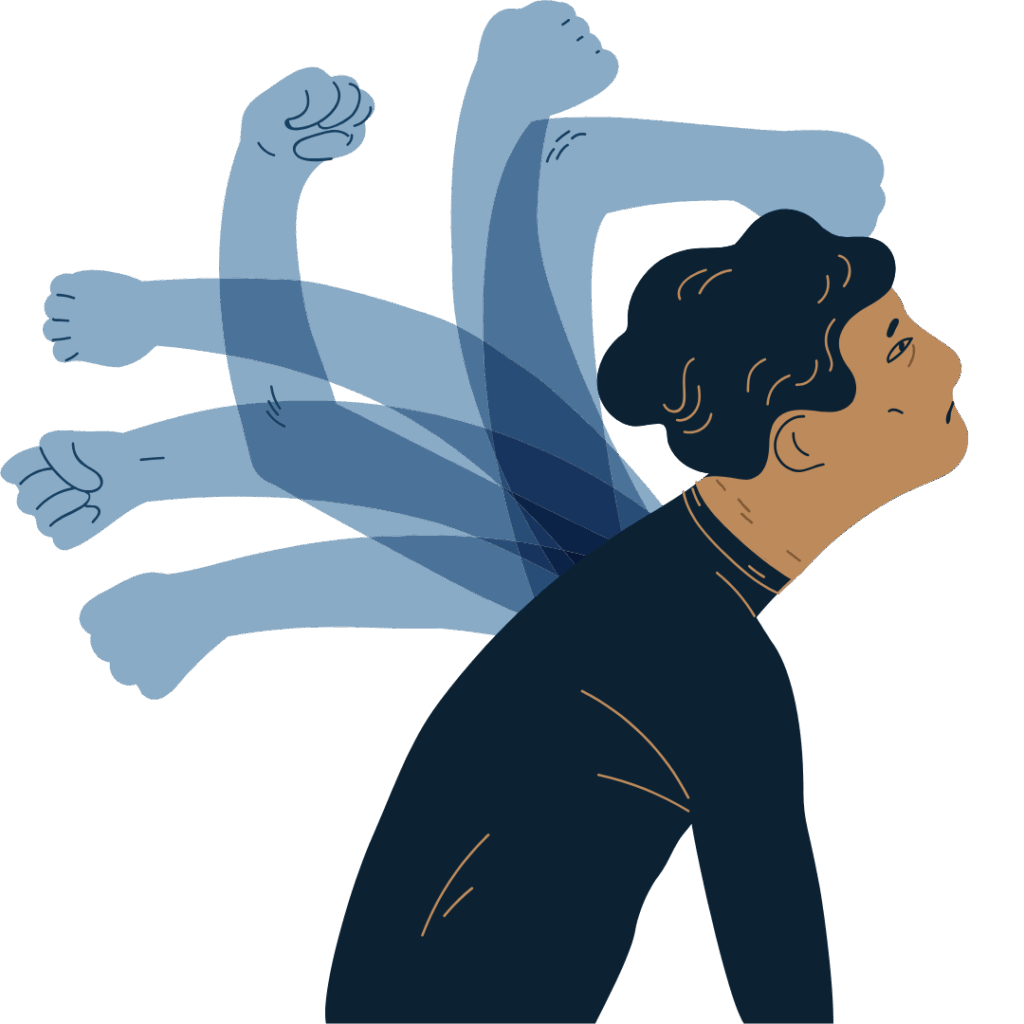
At some point in our lives, we have all faced feelings of shame. Whether it was because of a school bully, becausewe disappointed our parents, or because we made a mistake at work, the feelings are the same. It hurts, you blush, you feel sad, you have that sinking feeling in your stomach, and you want to hide. Instead of giving into shame, and spiraling into depression or anxiety, we can work to overcome shame with a tool called Critical Awareness.
According to Dr. Brene Brown, we cannot become resistant to shame or get rid of it all together, but we can develop shame resilience: The ability to recognize shame when we experience it and move through it in a constructive way that allows us to maintain our authenticity and grow from our experiences. In the process of consciously moving through our shame, we can build stronger and more meaningful connections with the people in our lives and ourselves.
How PERMA Can Optimize Your Self-Care Plan

We all want to be better for ourselves. We want to thrive and flourish. However, how do we thrive when there are so many barriers to self-care? Whether you feel like you do not have enough hours in the day, cannot find motivation, or are unsure where to start, we have a tool that might help! PERMA is a tool we teach during our fifth workshop in our Building Blocks to Advocate Wellness workshop series. So, if you're interested in bringing our workshop series to your organization, please email outreach@raftcares.org or fill out this form to learn more!
Martin Seligman is an American psychologist, educator, author, and father of Positive Psychology. Positive Psychology is the scientific study of how we can improve our overall well-being and foster more fulfilling lives. From his studies, he developed a recipe for well-being called PERMA. PERMA is an acronym that stands for Positive Emotions, Engagement, Relationships, Meaning, and Accomplishment. This blog will dive deep into PERMA and how we can utilize it in our lives and at work.
No single element of PERMA completely defines well-being. We need a combination of all five categories to contribute to our well-being. The impact and importance of each category will be unique for each person, and we all have different needs, interests, and goals. The theory of PERMA is that the more you increase each category in your life, the more resilient you become and the more you will flourish.
Break Out of Survival Mode

Living in survival mode feels like treading water—you’re keeping afloat but expending all your energy just to stay in place. When you’re stuck in this state, the brain prioritizes very immediate needs (such as safety and security). For advocates and individuals in high-stress environments, survival mode may feel like a necessary coping mechanism, but staying in this state for too long takes a toll on your mental, emotional, and physical well-being.
What is Survival Mode?
When we experience stressful events, our brains begin to function in a different capacity. Survival mode is a state where your mind and body prioritize getting through the day over everything else. It’s often triggered by prolonged stress or trauma and focuses on meeting immediate needs while often ignoring long-term goals. Recognizing survival mode is the first step toward regaining balance and moving toward a thriving mindset.
Self-Love = Self-Care: 5 Reasons I Value Myself

My journey of self-discovery, aimed at living more authentically, has been transformative. Learning how to value myself (and the parts that make me me) has profoundly impacted my ability to live a more authentic life. It has helped me embrace who I truly am, free from the constraints of external expectations and societal pressures.
I am a firm believer that recognizing and celebrating our own worth strengthens our commitment to self-care and personal growth. In this blog, I’m embracing the practice of "5 Reasons I Value Myself" to help achieve my goal/personal mission statement.
Needing support does not diminish your strength; it affirms your humanity. Whether you’re learning to step back without guilt, building shame resilience, structuring your self-care through PERMA, recognizing survival mode, or practicing intentional self-love, each of these blogs offers both validation and practical guidance. Return to them when the work feels heavy. Share them with colleagues who may need reassurance. Most importantly, let them remind you that sustainable advocacy, and sustainable living, begins with extending the same compassion inward that you so freely give to others.