RAFT’s 2026 Theme: The Year of Implementing Systems Awkwardly
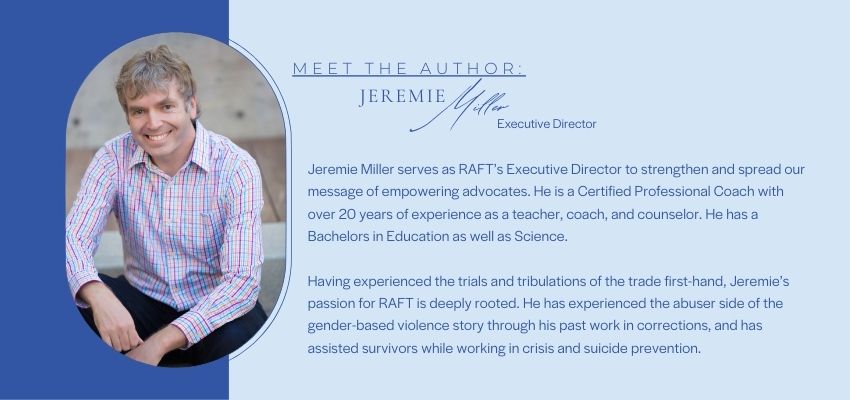
Jeremie Miller, January 29, 2026
2026 is here, and this year RAFT isn’t chasing a resolution. We’re choosing a direction.
Not a resolution.
Not a long list of goals.
Just one guiding idea to help us make better decisions, even when things get messy.
That’s the beauty of a Yearly Theme (the genius is in the simplicity.)
I’ve been using yearly themes in both my personal life and at RAFT since 2023, and they’ve become one of the most grounding tools we use. Instead of trying to predict everything the year will bring (which never works anyway), a yearly theme gives us a shared direction… something to return to when priorities shift, plans change, or the work feels heavy.
Last year was the first time I shared RAFT’s yearly theme publicly: The Year of Community. It ended up shaping more of our work than I expected, influencing not just what we did, but how we showed up for one another along the way (take a look back at the beginning of 2025’s theme here.)
..and if you’re curious about how yearly themes work, or want to create one of your own, you can learn more about the process here.
Now, let’s jump into RAFT’s 2026 theme:
When I sit down to create a yearly theme, I always start with one question:
What do we most need to focus on this year?
The first step of creating your year theme: identify the broad topic you want to focus on and write it as a “Year of…” statement.
For RAFT in 2026, the answer became clear pretty quickly.
Our theme for the year is:
The Year of Implementing Systems Awkwardly
Yes… awkwardly, on purpose.
Why “Implementing Systems Awkwardly”?
This theme has two parts — systems and implementing awkwardly — and each has its own important “why.”
Why Systems Matter for RAFT in 2026
RAFT has chosen to focus on systems in 2026 for several key reasons:
Increased Structure
RAFT has always been a small, adaptable team. Over the years, we’ve had to pivot quickly in response to major events like COVID-19 and the beginning of Trump’s second term as president. That ability to adapt is one of our greatest strengths, but it also has a downside.
We often operate with a lot of ambiguity, shifting priorities, and systems that either:
- Never got created in the rush
- Were never updated after changes
- Aren’t being used properly (nor consistently)
As we move into 2026, RAFT needs more structure... not to limit flexibility, but to better support our small but mighty team.
Increased Team Agency
RAFT intentionally operates with limited hierarchy and tries to give everyone opportunities to lead. Micromanagement is something we actively try to avoid.
Strong systems actually increase freedom. When we have clear ways to track and report work, trust grows across the team. And when trust grows, each team member gains more agency to do their work in the way that works best for them.
Better systems mean:
- More trust
- More autonomy
- More ownership across the team
Being a Trauma-Informed Organization
RAFT is always working to strengthen our trauma-informed practices. It turns out that having strong systems is a great way to follow the principles of trauma informed care.
Here are a few examples:
- Safety: Systems can support physical safety while traveling and psychological safety when working together in small groups or as a full team.
- Trustworthiness & Transparency: Clear systems help everyone understand what RAFT is doing and why, which builds trust and reduces anxiety.
- Peer Support: Systems for coaching, assigning project leads and seconds, and creating clear meeting agendas make it easier for team members to support one another.
- Collaboration: Intentional systems can balance participation… like who speaks in meetings, who leads projects, and how decisions are made.
- Empowerment: Systems that increase agency give team members more control over how they use their strengths and contribute to RAFT’s impact.
- Humility & Responsiveness: Systems like RAFT’s annual DEIB survey, and how we respond to it, help us identify bias and course-correct when needed.
What “Implementing Awkwardly” Really Means
2025 was a very serious year. There was more chaos and uncertainty in those 365 days than any of us could imagine, and it made for an extremely heavy year. And if I’m honest, I also became more serious in 2025 and likely made things heavier for the RAFT team than they needed to be.
Along the way, I forgot a very important two-word phrase a former RAFT team member shared years ago, when RAFT was growing:“Implementing awkwardly.”
Here, “awkward” doesn’t mean embarrassing. It means lacking grace, skill, or ease. Think of a newborn cow standing up for the first time. Or that slightly clumsy conversation when you ask someone out on a date.
The phrase reminds me, and our team, that when we build and implement new things:
- They rarely go exactly as planned
- They sometimes don’t work at all
- They can create unintended consequences
…and all of that can still be okay.
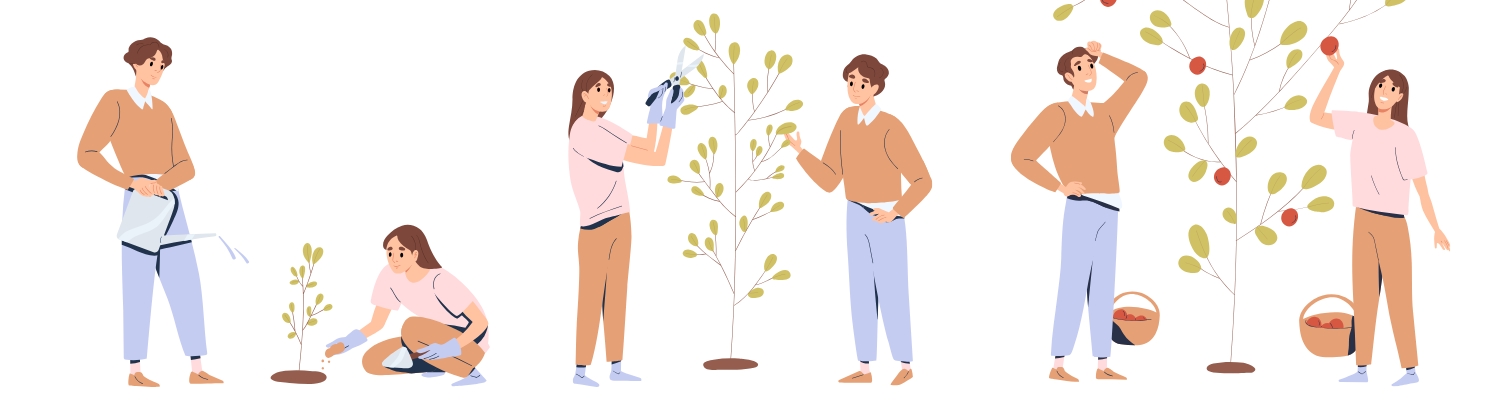
Change is often awkward. And when we remember that we can approach it with more patience, curiosity, and even humor.
If we (especially me) can hold onto that mindset, then implementing new systems in 2026 doesn’t have to feel heavy. It can feel human.
What Success Looks Like in the Year of Implementing Systems Awkwardly
Now that the “why” is clearer, the 2026 theme also needs a shared understanding of what RAFT aiming to achieve with awkwardly implementing systems.
Ideally, stronger systems will:
- Give the team more agency and independence
- Support teamwork and smoother handoffs
- Allow us to track progress and notice when something isn’t working
- Save time and energy with more seamless processes
- Reduce chaos when we need to pivot
- Improve communication and relationships across the team
More benefits will likely emerge as the year unfolds, but this gives us a solid starting point.
Measuring Progress Without Perfection
A yearly theme is meant to be broader than a specific resolution. Your theme should have multiple pathways to success, with new ones appearing as the year goes on. That flexibility allows you to adjust what you’re doing while still using the theme as a guide rail.
That said, RAFT also needs some concrete indicators (measurable ideal results) to help us see whether we’re moving in the right direction.
This list is a starting point, not a finish line. We may add to it. We may not accomplish everything on it. And that’s okay.
Some of the ideal outcomes we’ll be tracking include:
- Jeremie creating a new system for writing RAFT content
- A clear system for pitching, creating, and managing new projects
- Updated transparent job descriptions for all team members
- A new CRM built to improve RAFT’s outreach workflows (saving more time & energy)
- Better use of our different communication channels

Starting 2026 by Implementing Systems Awkwardly
There’s no indication that 2026 will be any easier than 2025 in the gender-based violence ecosystem. But if RAFT can stay grounded in our yearly theme (and give ourselves permission to implement systems awkwardly) our efforts will become more effective, our team will be healthier, and RAFT’s advocates will move into the future carrying less weight on their shoulders.
Create Your Own Yearly Theme
If there’s one thing I hope you take from this, it’s this: you don’t have to have the whole year figured out to move forward with intention.
A yearly theme can be a powerful way to ground yourself, and your team, in what really matters… even when the path ahead isn’tclear. Whether it’s for yourself personally, your workplace, or your organization, one guiding idea can make all the difference.
If you create a yearly theme of your own, we’d love to hear the details. And if it takes a little trial, error, and awkward implementation to get there… you’ll be in very good company.
You share your theme with us at info@raftcares.org.